
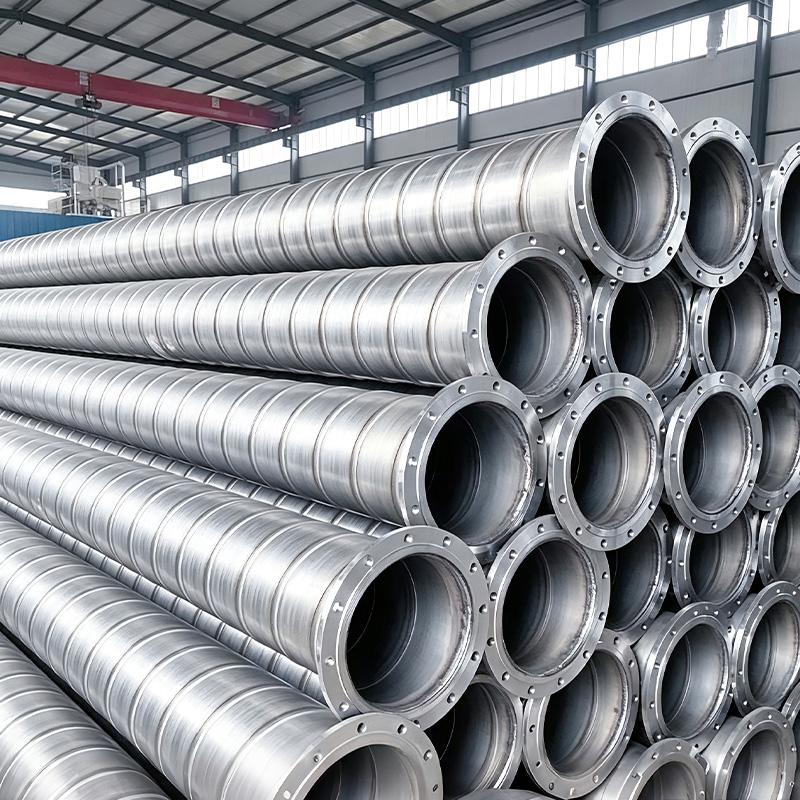
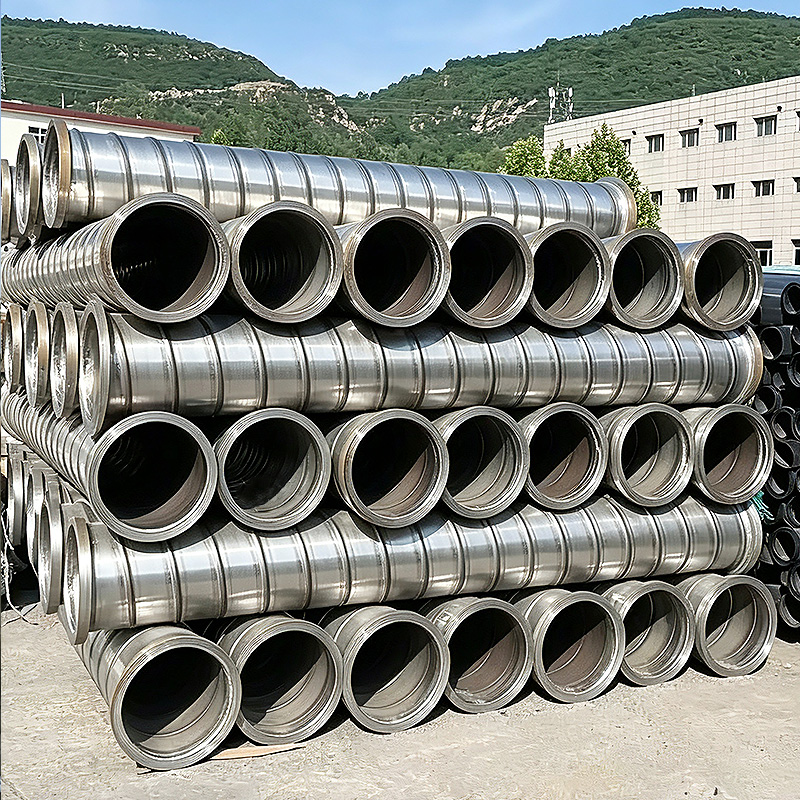
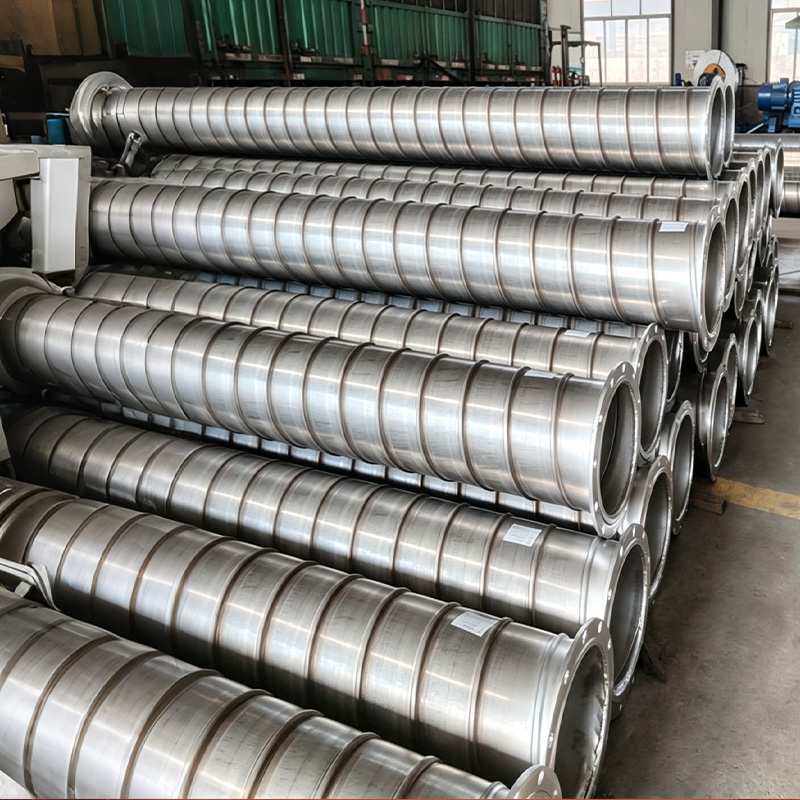
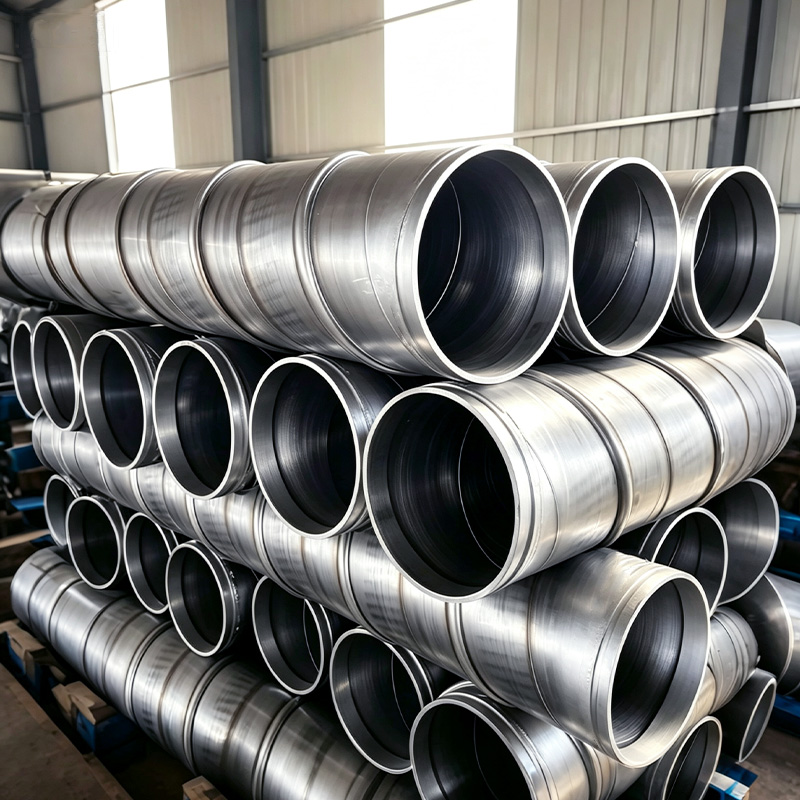
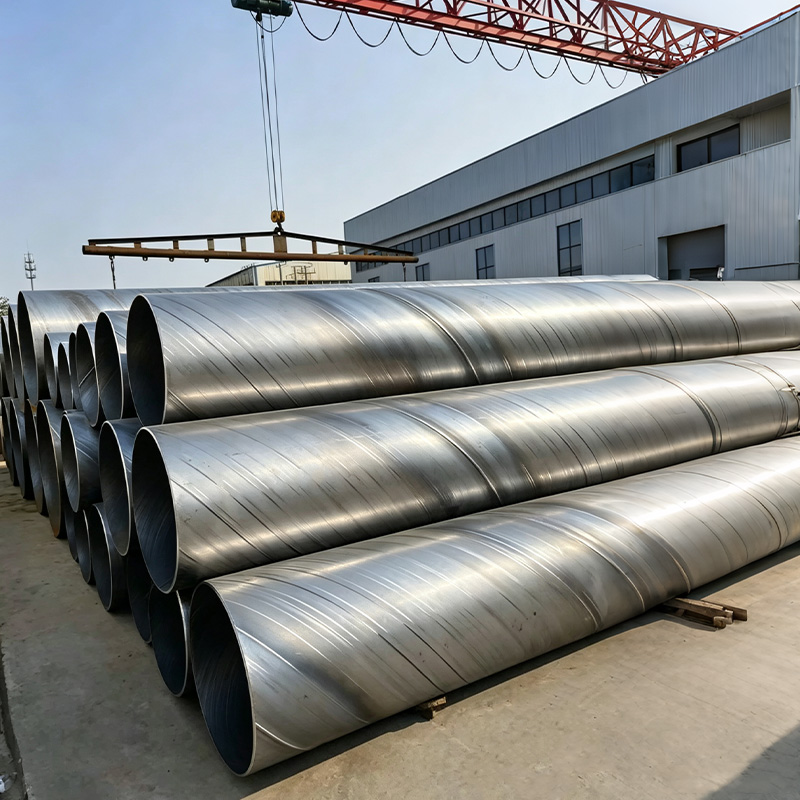
They combine superior material properties with precision manufacturing, making them the preferred choice for chemical processing, food and beverage, pharmaceutical, marine, oil and gas, and high-purity applications.
→Product Introduction
Stainless steel pipes are available in seamless and welded constructions, manufactured from 304/304L, 316/316L, 321, 347, and Duplex 2205 grades.
Sizes range from 6mm to 630mm (OD) with wall thicknesses from SCH 5S to SCH 160.
Surface finish options include mill finish, pickled, passivated, electropolished, brushed, and mirror polished.
Material & Mechanical Properties
Available Sizes & Dimensions
Corrosion Resistance Comparison
FAQ
Q1: What are the main products you can supply?
A: We are a professional manufacturer and supplier in China for stainless steel pipe and pipe fittings, including stainless steel pipes, elbows, flanges, tees, reducers, caps, and other piping products. Our product range covers seamless and welded pipes for corrosive and high-purity applications.
Q2: What is the difference between seamless and welded stainless steel pipes?
A: Seamless pipes are manufactured by piercing a solid billet and rolling it into a pipe without any weld seam. They offer higher pressure resistance, uniform structure, and better reliability for critical high-pressure and high-temperature applications. Welded pipes are formed from steel coils or plates and welded along the seam. They are more cost-effective, offer uniform wall thickness, and are suitable for general-purpose applications. For critical services, seamless pipes are recommended; for general use, welded pipes provide excellent value.
Q3: What is the difference between 304 and 316 stainless steel pipes?
A: 304 stainless steel offers good general corrosion resistance and is cost-effective, making it suitable for food processing, general industrial, and indoor applications. 316 stainless steel contains molybdenum, which provides superior resistance to chlorides, pitting, and crevice corrosion. It is recommended for marine environments, chemical processing, coastal installations, and pharmaceutical applications where higher corrosion resistance is required.
Q4: Which stainless steel pipe grade should I choose for my application?
A:
General industrial / food processing → 304 / 304L
Marine / chemical / coastal environments → 316 / 316L
High-temperature service (>800°C) → 321 / 347 (stabilized grades)
High-strength + chloride resistance → Duplex 2205
High-purity / pharmaceutical / sanitary → 304L / 316L (electropolished)
Welding-intensive applications → 304L / 316L (low carbon grades)
Please contact us with your specific service conditions for a material recommendation.
Q5: What is the difference between 304 and 304L? Why use low carbon grades?
A: 304L has lower carbon content (≤ 0.030%) compared to 304 (≤ 0.08%). The lower carbon content improves weldability by reducing the risk of intergranular corrosion (weld decay) after welding. For applications requiring extensive welding without post-weld heat treatment, 304L or 316L is recommended. For non-welded or light welding applications, 304 offers comparable performance at lower cost.
Q6: What size range and wall thicknesses do you offer?
A: We offer a wide range of sizes:
Pipe Diameter (OD): 6mm ~ 630mm (metric) / 1/8" ~ 24" (inch)
Wall Thickness: 0.5mm ~ 25mm / SCH 5S ~ SCH 160
Length: 6m standard, custom cut-to-length available
Standards: ASTM A312 / A269 / A213 / EN 10216-5 / EN 10217-7 / GB/T 14976 / GB/T 13296
Q7: What is passivation and why is it important for stainless steel pipes?
A: Passivation is a chemical process that removes free iron and surface contaminants from stainless steel, restoring and enhancing the natural corrosion-resistant oxide layer. It is important because it:
Improves corrosion resistance, especially in aggressive environments
Reduces the risk of rust staining and contamination
Creates a clean, passive surface suitable for food, pharmaceutical, and sanitary applications
Passivation per ASTM A967 is available upon request and recommended for most stainless steel pipes.
Q8: What is the difference between pickling and passivation?
A: Pickling is an acid bath treatment that removes heavy scale, weld discoloration, and surface impurities. It results in a matte, uniform grey finish and is typically used after welding or heat treatment. Passivation is a milder chemical treatment that removes free iron and restores the oxide layer, enhancing corrosion resistance. Pickling is more aggressive, while passivation is the final step for surface protection.
Q9: What surface finishes do you offer?
A: We offer various surface finishes to suit different applications:
Mill Finish – as-manufactured, for general use
Pickled – acid bath removes scale, matte finish
Passivated – enhances corrosion resistance, bright finish
Electropolished – smooth, bright, mirror-like; ideal for sanitary/high-purity applications
Brushed / Satin – decorative finish for architectural use
Polished / Mirror – high-gloss finish for decorative and sanitary applications
Q10: What is your minimum order quantity (MOQ)?
A: For trial orders, our MOQ is 1 ton per size. For bulk orders, MOQ is flexible — please contact us with your target quantity for a competitive quote. Volume discounts are available for large orders.
Q11: How long is the delivery time?
A: 7-15 days for standard sizes in stock after payment confirmation. For custom orders (non-standard sizes, special grades like Duplex, or coated/treated pipes), delivery time is typically 20-30 days, depending on specifications. We will confirm the exact timeline upon order confirmation.
Q12: How do you control quality?
A: We implement strict 3-stage quality control:
Raw material – chemical composition verified by spectrometer, source from approved mills (TISCO / Baosteel / YUSCO)
Production – dimensional checks during forming, welding (for welded pipes), and heat treatment
Final – dimensional inspection (OD, WT, length, straightness), hydrostatic testing, flattening test, hardness test, and NDT (UT/ET) per applicable standards
A Mill Test Certificate (EN 10204 Type 3.1) is provided with every shipment, including chemical analysis and mechanical test results.
Q13: Can I get samples before ordering?
A: Yes. Stock samples are free of charge – you only pay the shipping cost. Custom cut-to-length samples require a small production fee, which will be deducted from your first bulk order.
Q14: Do you accept OEM or custom orders?
A: Yes, we accept custom orders based on your drawings, specifications, or samples. We can also provide custom cutting, beveling, threading, polishing, and coating services. Our engineering team will review your requirements and provide a solution within 24 hours.
Related suggestion
Online consultation